A complete guide to Hindu funeral traditions in Singapore — from the Anthyesti last rites and Pandit prayers to wake duration, cremation at Mandai, and the 13th-day ceremony. Written by Indian Life Memorial.
Understanding Hindu Funeral Traditions
Hindu funerals are guided by Vedic tradition and are among the most ritually rich ceremonies in Singapore. The overarching goal of the rites is to help the Atman (soul) transition peacefully from this life to the next, and to offer the family a structured path through grief.
In Singapore, the majority of Hindu funerals follow South Indian Tamil traditions, though North Indian and Sri Lankan traditions are also practiced. Indian Life Memorial has deep experience across all regional variations and works with experienced Pandits who understand these distinctions.
The Key Rituals — From Passing to Cremation
After passing, the body is bathed and dressed in clean, traditional clothes. A sacred lamp (vilakku) is lit beside the body and kept burning throughout the wake. Sacred items — turmeric, vibhuti, and flowers — are placed on and around the body. This preparation is carried out with great care and respect.
The Antyesti (last rites) are led by a Hindu Pandit and involve the recitation of Vedic mantras, the performance of homa (fire ritual), and the placing of sacred items with the body. The Pandit guides the family through each step, explaining the significance of every ritual.
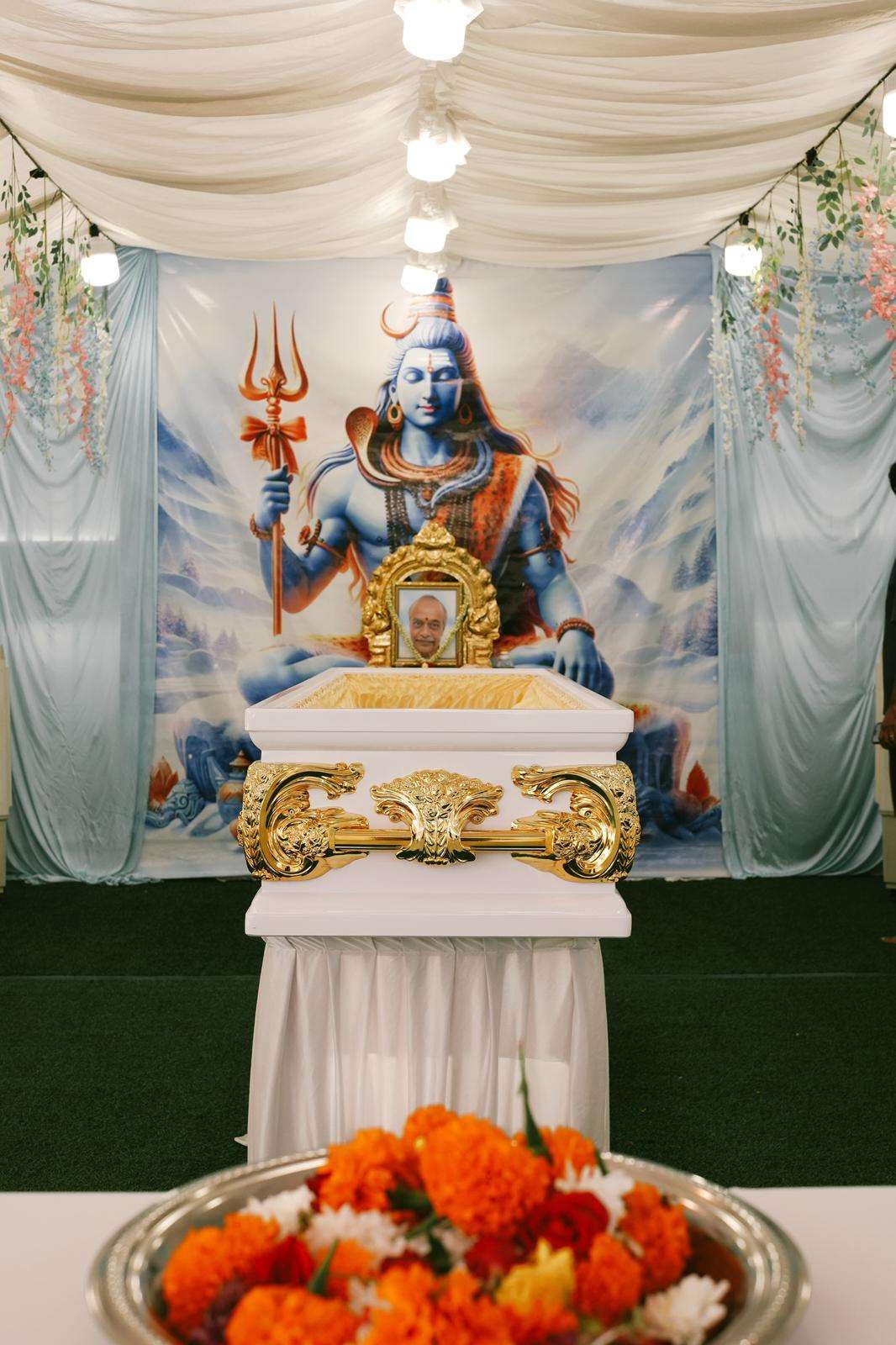
The wake typically lasts 1 to 3 days. During this time, relatives and friends pay their respects, prayers are chanted, and the family observes traditional practices. Indian Life Memorial arranges the wake tent, altar, sound system, seating, and all required logistics.
Cremation at Mandai Crematorium
Hindu funerals in Singapore are almost universally concluded with cremation, which aligns with the Vedic tradition of returning the body to the five elements (Pancha Bhuta). Cremation takes place at Mandai Crematorium, and Indian Life Memorial coordinates the slot booking, hearse, and all transport logistics.
During the cremation, the Pandit performs final prayers and the family (often the eldest son) performs the final rites. After cremation, the ashes are collected. Families may then arrange for the ashes to be immersed in a body of water — a river, the sea, or at a designated sacred site.
Need immediate assistance?
Our team is available 24/7. Call or WhatsApp — we respond within 30 minutes.
The 13th-Day Ceremony (Karmanool)
The period of mourning in Hindu tradition does not end at cremation. The 13th-day ceremony (called Karmanool, or Thirteenth Day rites) marks the formal end of the mourning period. A Pandit conducts prayers and rituals, and the family typically prepares a meal to be shared with relatives and the community.
Indian Life Memorial can arrange the 13th-day Pandit and provide guidance on the specific rituals required for your family's tradition. This ceremony is deeply significant and Indian Life Memorial recommends consulting with the Pandit early to ensure proper preparation.
How Much Does a Hindu Funeral Cost in Singapore?
A Hindu funeral package in Singapore at Indian Life Memorial starts from approximately S$3,888 for a standard package. This includes the Pandit arrangement, sacred ceremony, casket, hearse, wake tent, floral arrangements, and cremation coordination. Prices vary based on wake duration, casket selection, and venue.
Indian Life Memorial provides fully transparent, itemised quotes with no hidden fees. Use our online quote estimator at /getting-started for an instant personalised estimate, or call +65 9687 5688 any time.
Frequently Asked Questions
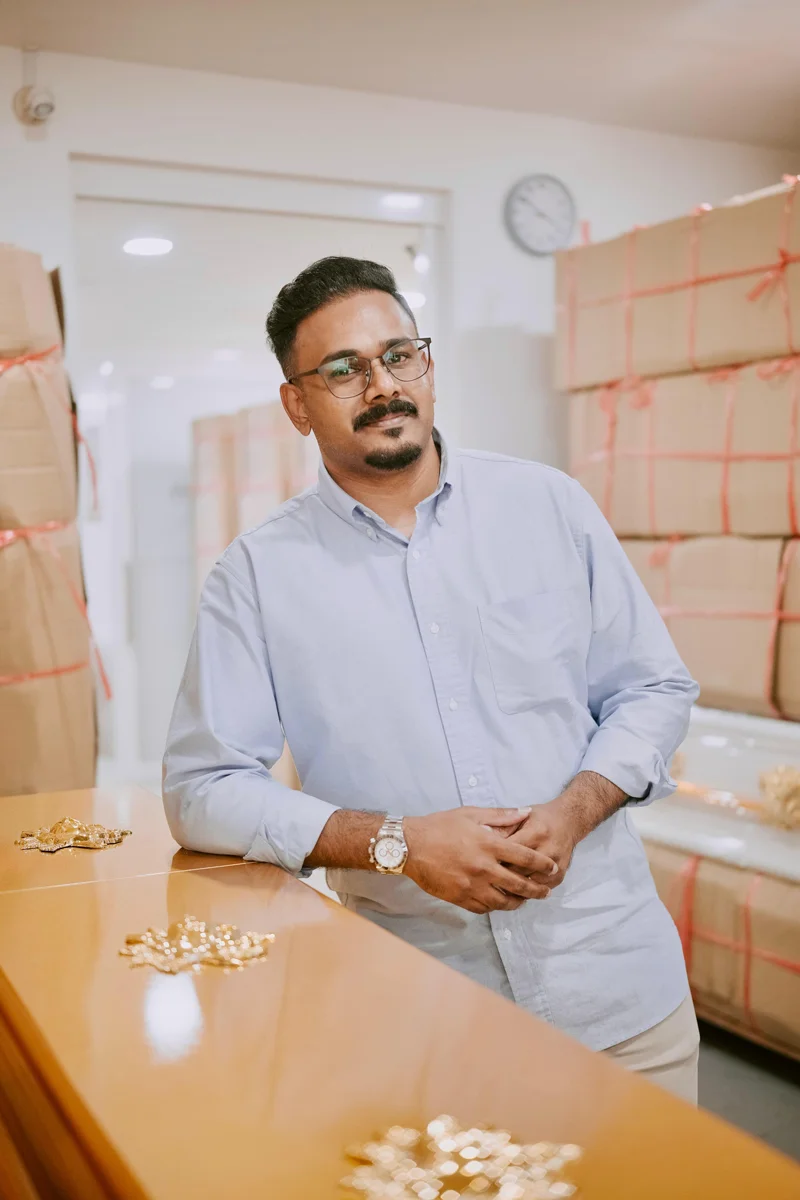
Viknesh Geevanantham
Founder & Funeral Director, Indian Life Memorial
Viknesh has over a decade of experience guiding Singapore families through Hindu, Indian, and all-faith funeral arrangements with compassion and care.